
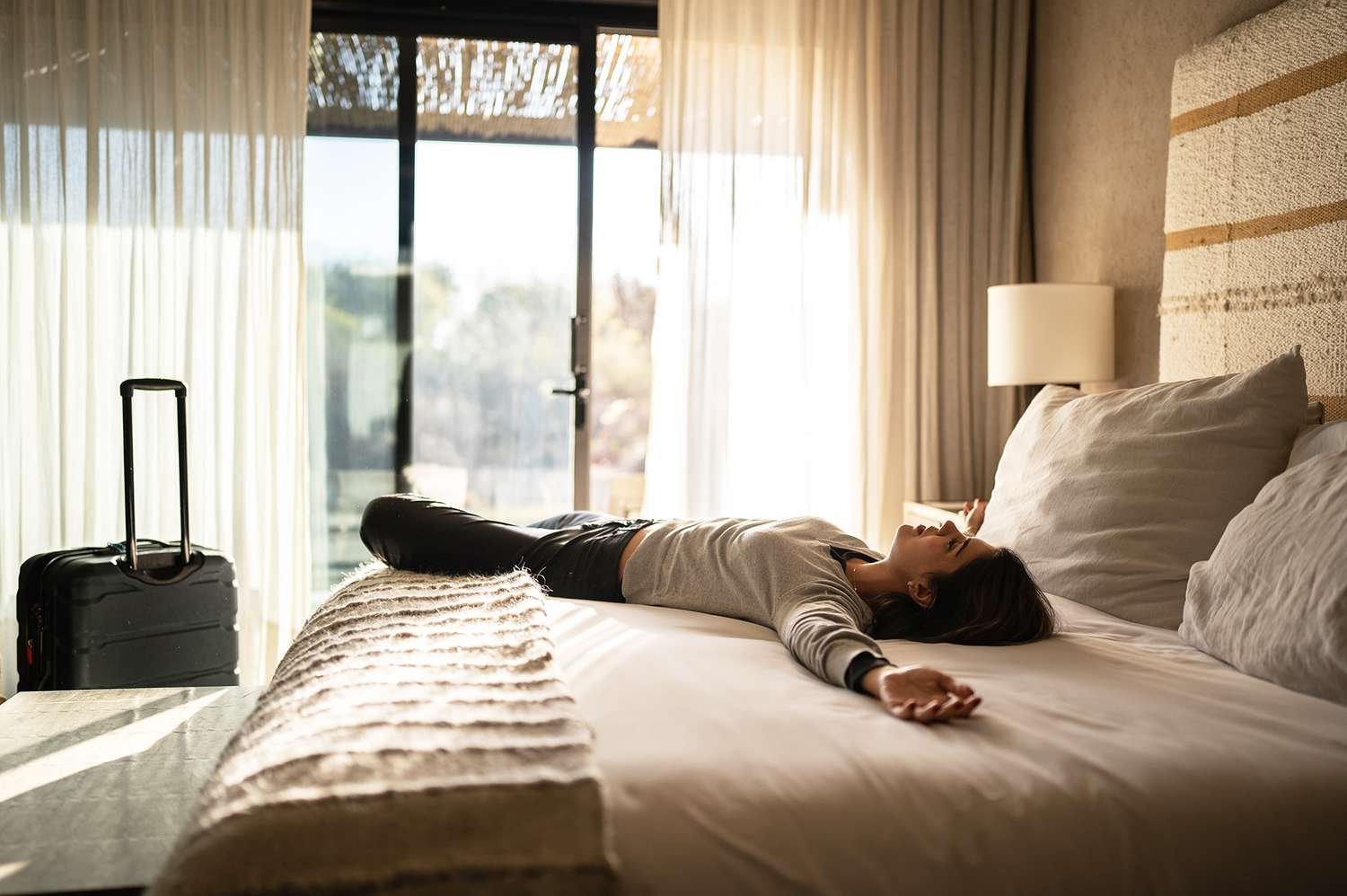
Traveling across time zones is more than just a logistical issue; it is a physiological issue. As we begin the new year of 2026, the science of chronobiology has shown that jet lag is not simply “tiredness” but rather a deep desynchronization between your body’s master clock and the outside world. While most people traveling through time zones turn to caffeine or melatonin, the science shows that the best “reset button” is actually the physical space you arrive in.
For the modern traveler, selecting a Hotel in Mohali near Airport Road is more than simply avoiding traffic; it is selecting a space that is optimized to compress days of recovery into a single, high-quality sleep cycle.
1. The Power of “Darkness Architecture”
Your brain’s pineal gland relies on signals from your eyes to produce melatonin, the hormone that tells your body it is time to sleep. Even a hint of light can disrupt this process by signaling your internal master clock to suppress melatonin, tricking your brain into staying in “daytime mode.”
When you are at a Hotel in Mohali near Airport Road, you should look for rooms that focus on “blackout architecture.” The best blackout curtains are more than just a way to keep the sun out of your room; they are a tool for creating a sensory black hole that lets your body’s circadian rhythms reboot without any interference from the Punjab sun.
2. Acoustic Insulation: The “Quiet Zone” Advantage
Jet lag is a serious sensitivity-reducer when it comes to sensory irritation. The rumble of a jet engine in the distance or the murmur of voices in the hallway can send your cortisol levels spiking, leaving you stuck in a state of “tired but wired” hyper-arousal.
A good Hotel in Mohali near Airport Road is always designed with the best acoustic insulation. Double-glazed windows and sound-reducing wall panels are a must for creating a “Quiet Zone.” By shutting out the outside noise of the Airport Road environment, the room gives your nervous system permission to shift from the high-frequency stress of air travel into a parasympathetic state of recovery.
3. Temperature Management and Sleep
One of the most underrated elements of overcoming jet lag is managing your body temperature. In order to fall asleep, your body must reduce its temperature by a factor of 1 degree. If your hotel room is not cool enough, your brain will remain in a state of alertness, finding it difficult to enter the sleep cycle.
Climate control is a highly necessary component of the jet-lagged traveler. With today’s technology, you can set a specific, cool temperature, preferably between 18 degrees to 20 degrees, which will serve as a trigger to your brain that it is time to go to sleep. This, in combination with high-quality, breathable sheets, will ensure that your body temperature remains at a safe level throughout the night, preventing the “mid-night wake-up” that often accompanies cross-country travelers.
4. Proximity as a Recovery Mechanism
The “first hour” after arrival is the most defining moment of your recovery. The longer you are stuck in congested city traffic or lugging your bags through public transportation, the more “travel fatigue” you will build up, which will exacerbate your jet lag symptoms.
Remaining in a Hotel in Mohali, near Airport Road, reduces this resistance. The “15-minute rule” – reaching your bed within 15 minutes of your arrival at the airport, enables you to avoid the secondary stress of a long commute. This immediate transition from the airport terminal to a personal haven enables you to initiate your hydration, nutritional, and rest strategies before the physiological effects of the travel fully manifest.
5. Hydration and Nutritional Support
Dehydration is the silent companion of jet lag. The humidity in airplane cabins is lower than that of the Sahara Desert, making the blood thicker and thereby explaining the “brain fog” experienced during time-zone changes.
A world-class hospitality experience equips you for rehydration, with excellent mineral water, electric kettles for herbal teas, and a menu of light and healthy meals. Avoid heavy, spicy meals immediately after arrival; instead, turn to the protein-rich, easily digestible meals available in the professional hotel’s room service menu. This helps your body clock, enabling your digestive system to synchronize with the local time zone as quickly as your sleep-wake cycle.
Conclusion: Designing Your Recovery
Jet lag is a necessary evil of international travel, but its length is completely your choice. By selecting an environment that honors the biology of sleep, you can turn a week-long ordeal into a small 24-hour blip on the radar. The rooms at the heart of Mohali’s development corridor are no longer simply a place to stash your bags; they are recovery pods for the world’s elite. When you select an environment, you’re not simply selecting a room—you’re selecting your best performance for the days ahead. For those who seek the perfect blend of convenience and tranquility, Hotel Parkhills offers the ultimate retreat for the weary traveler.